April 29th, 2026
Written by: R∴W∴ Don Goss
Here’s some background: My grandfather was the patriarch of our family. I grew up surrounded by relatives—numerous aunts, uncles, cousins, and even second cousins, mostly from my father’s side. My grandparents lived just three miles away from our home in Fort Myers, FL, so we saw them often. They were always willing to help out not only their grandchildren but others as well. Of all their thirty-plus grandchildren, I was particularly lucky to live nearby and frequently spend time with them.
They were dedicated members of Grace Bible Church, regularly attending services every Sunday morning and evening, as well as on Wednesdays. The services were led by Pastor Uncle Burl, who was well-acquainted with and had traveled alongside Reverend Billy Graham. Following the Sunday morning service, my family—including my grandmother, grandfather, parents, and myself—would have lunch at various local restaurants such as Rax, Sizzlin Steakhouse, Ponderosa, The Brown Derby, Sonny’s BBQ, or the Dragon Inn, which was widely regarded as offering exceptional Chinese cuisine.
I recall observing my grandfather’s Masonic ring, made of gold, featuring a square onyx, a single diamond, and the emblematic square and compasses. He frequently wore a lapel pin on his suit jacket and a tie clip when attending church each Sunday. A plaque adorned with the Square and Compasses was displayed on the wall behind his chair at their home. My parents informed me that my grandfather was a Mason, humorously suggesting that the “G” represented “Goss.” As I grew older, it became clear to me that this interpretation was inaccurate. Passing by the Masonic Lodge in Fort Myers, FL—which was eventually demolished in the 1990s—revealed a large depiction of the Square and Compasses, indicating that the “G” had a different significance. At the time, I speculated it stood for God, a conclusion which, unbeknownst to me then, was not far from the truth.
At the age of thirteen, I inquired with my grandfather regarding the Masons. He informed me that upon reaching eighteen years of age, he would accompany me to the Lodge in Fort Myers, introduce me to several members, and provide an opportunity for me to learn more about the organization.
As time passed and life unfolded, the anticipated day did not occur as planned. I lost my mother to cancer during my junior year of high school. Subsequently, my father remarried and relocated our family to Asheville, NC, where I completed my senior year before enlisting in the Air Force. A few years later, upon returning to Fort Myers, I married my first wife and welcomed our daughter, Allie. I also adopted Cinda, my wife’s daughter from her previous marriage, whom I had been raising since she was four years old and who requested that I become her father. We eventually moved to Bainbridge, GA. Ultimately, the milestone I expected at age 18 never materialized.
I admired my grandfather for his integrity and the respect he commanded from others. He consistently honored his commitments and was always willing to assist those in need. I have sought to emulate his conduct as a model for my own behavior.
An overview of my grandfather’s life as I knew it prior to his initiation into Masonry.
Paul Adrian Goss was born on December 6, 1913, in Green, Maine. He married Louise Althair Whitney on April 4, 1932, in Casco, Maine. At the time of their marriage, Paul Adrian Goss was 19 years old and Louise Althair Whitney was 16 years old.
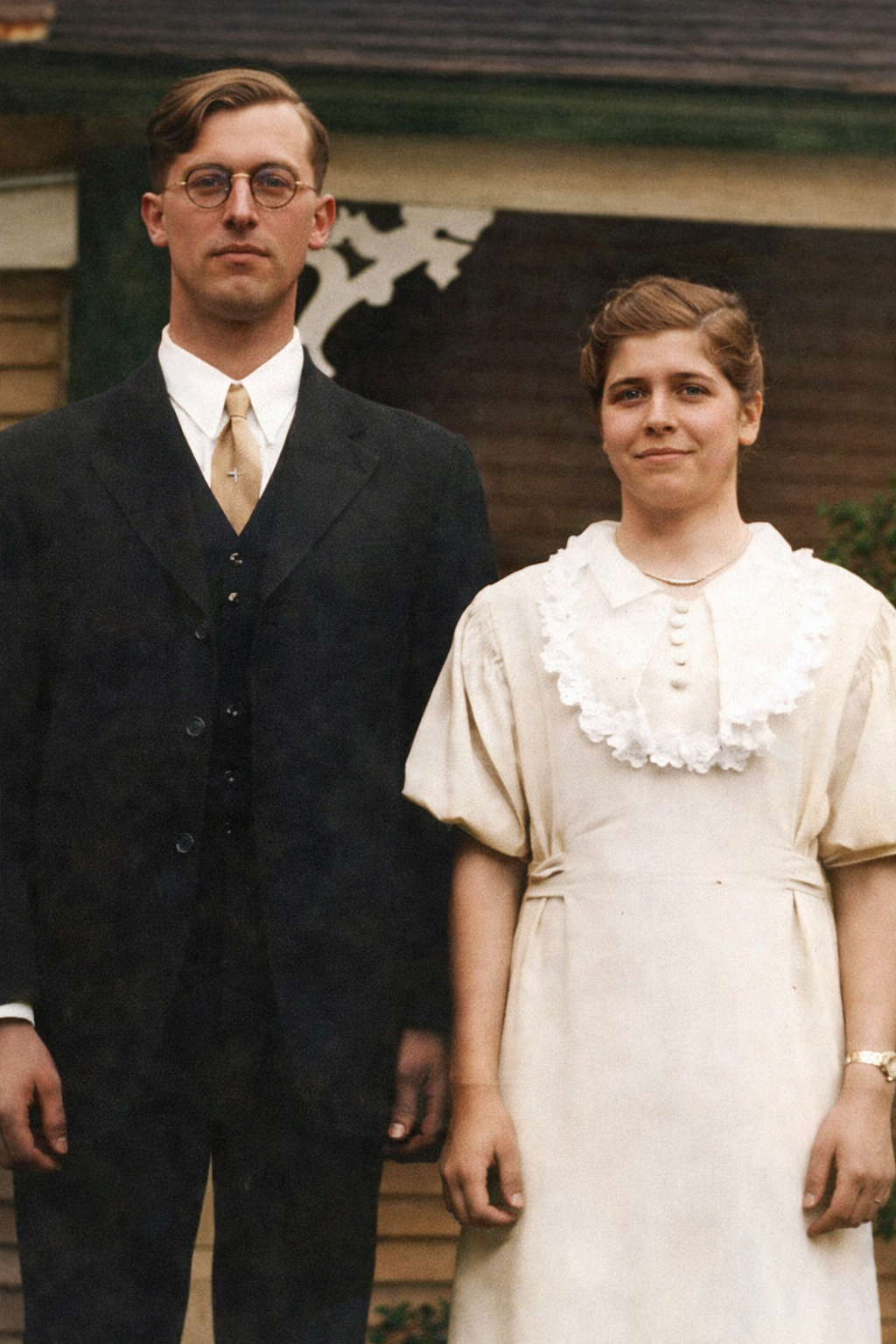
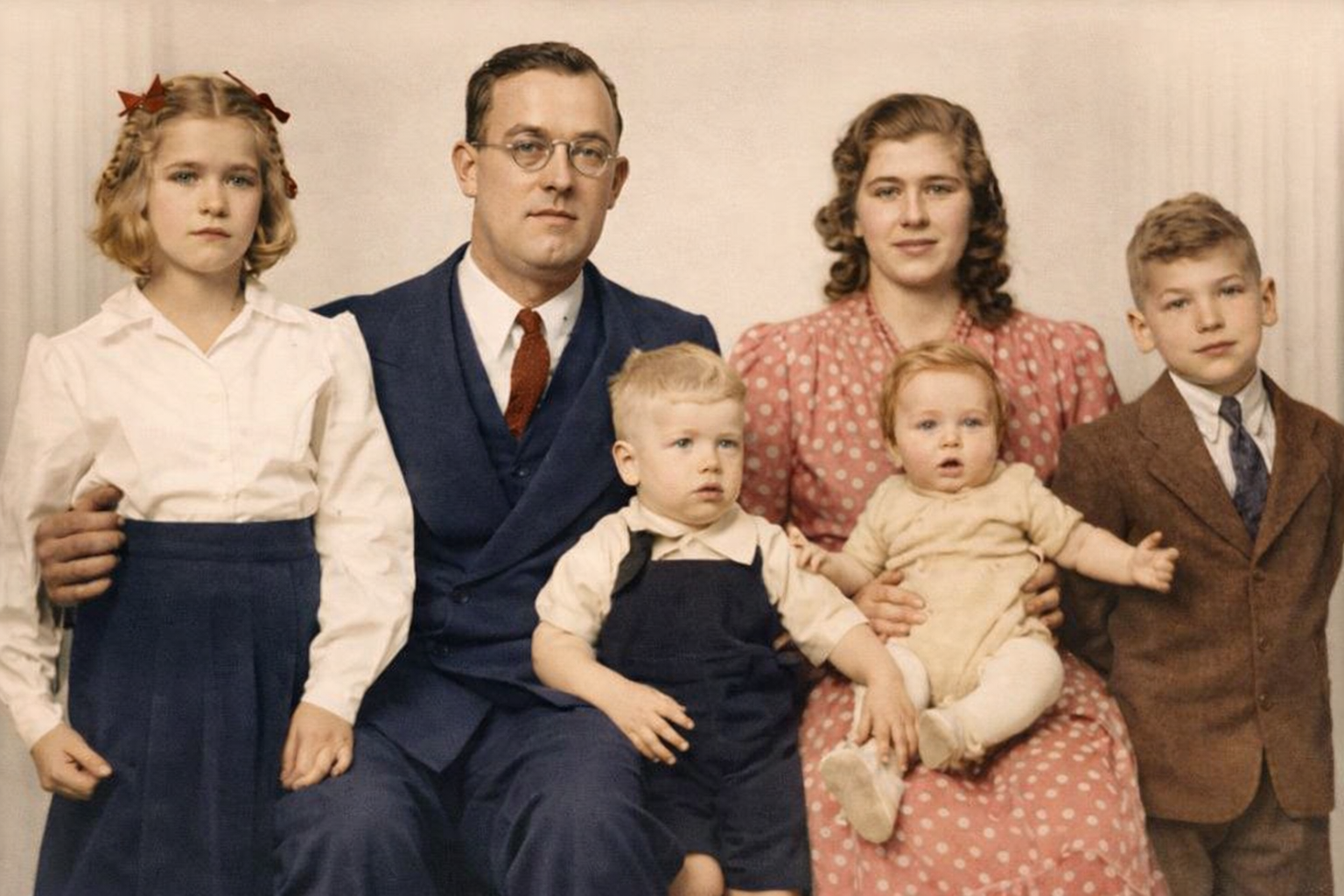
Subsequently, they had four children: Eve, David, James (my father), and Daniel, each of whom was given a name originating from the Bible.
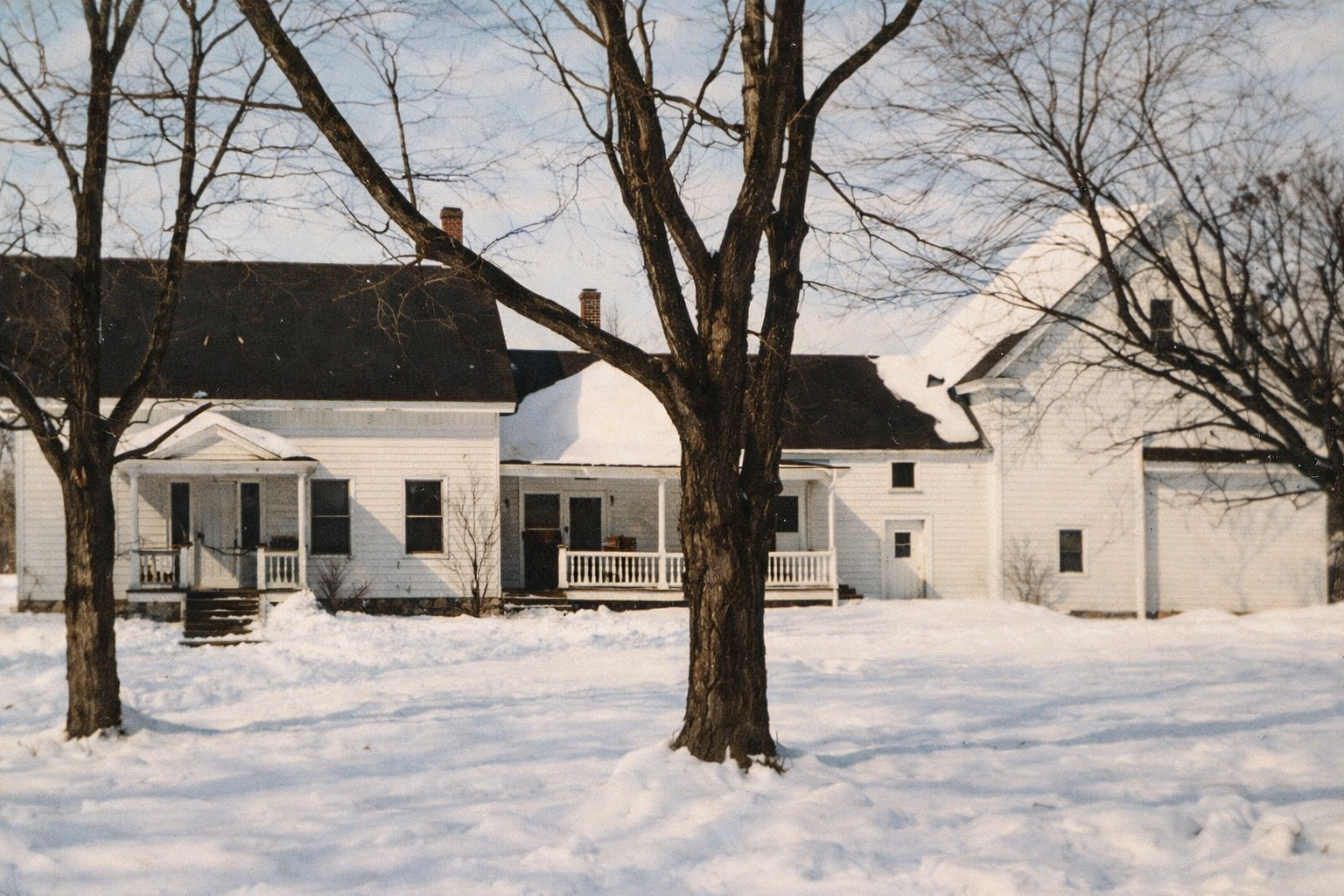
In 1936, they bought their second home—a 63-acre farm with an apple orchard. One of the trees produced Wolf River apples so large that just two were enough to make a pie. They remained there until 1960.
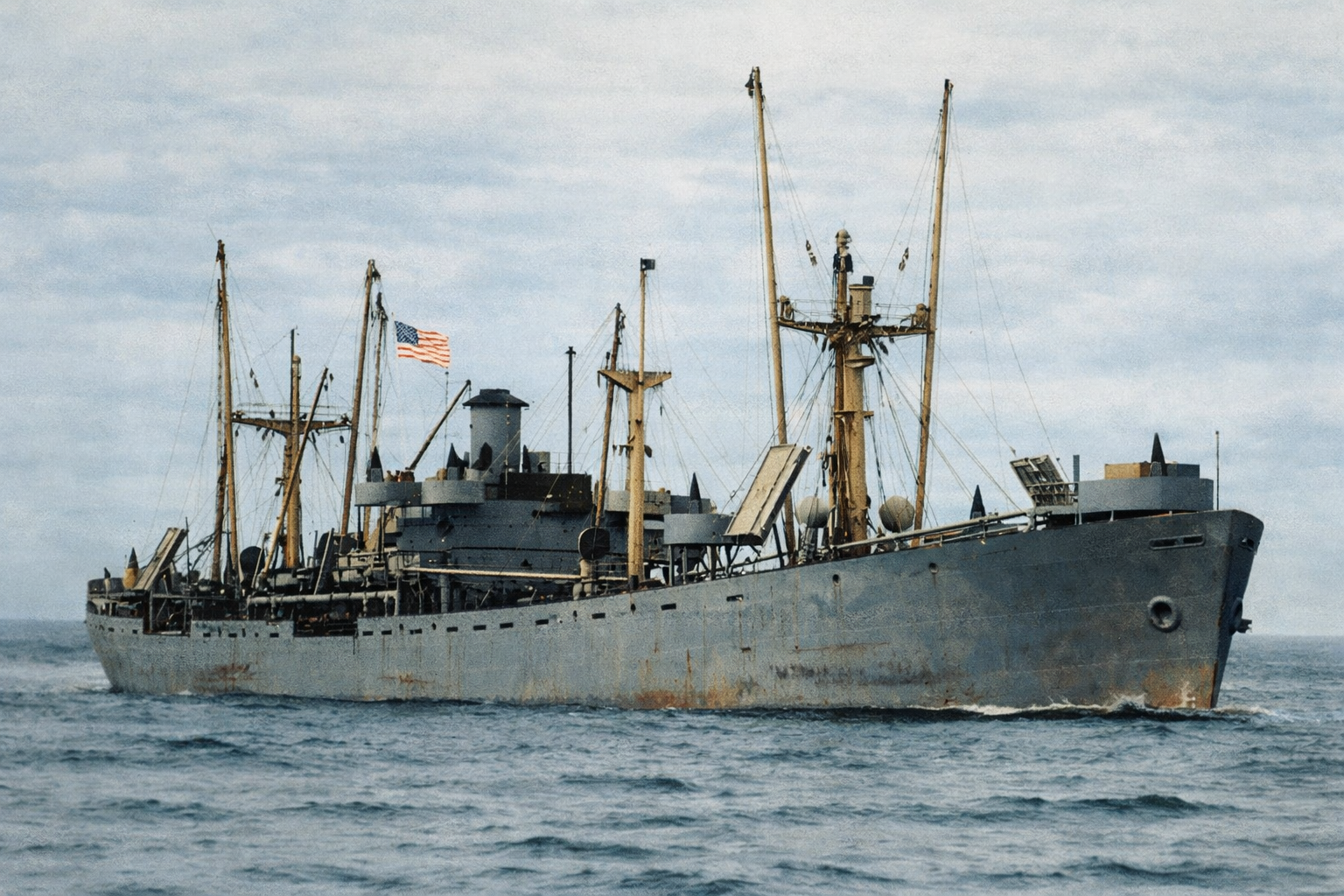
During World War II, my grandfather worked at the New England Shipbuilding Co. in Bath, Maine, where he helped construct the renowned Liberty Ships. Beginning as a welder, he eventually became a supervisor. Liberty Ships, designed by the British but modified by the United States, were cargo vessels built quickly and inexpensively. They became an emblem of American industrial productivity during the war.
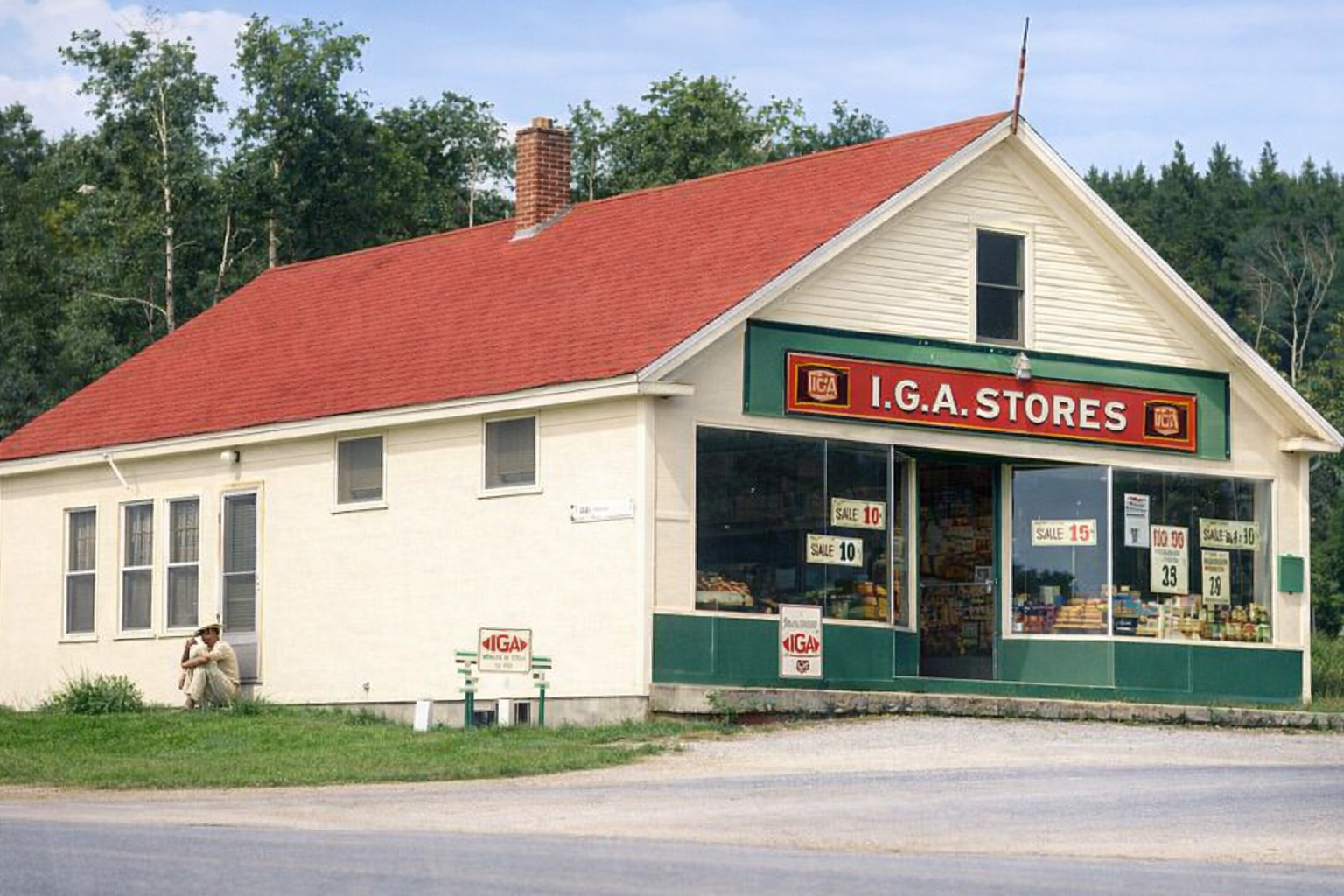
Between 1946 and 1959, my grandfather managed an IGA store. For part of this period, his family resided in the back of the establishment. This arrangement was made after another family, who had several children, lost their home to a fire. My grandfather relocated his own family to the store, enabling the affected family to occupy their house until they were able to recover. The significance of this gesture became apparent to me only much later in life.
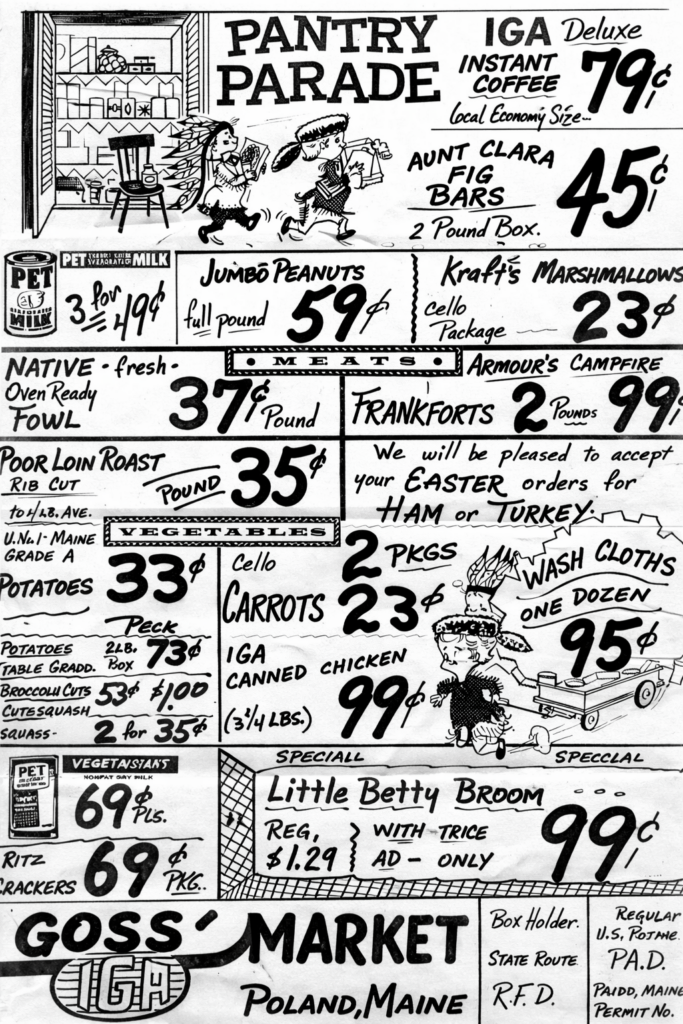
He organized delivery orders for individuals unable to visit the store in person. During periods of low activity, my grandmother handled most of these deliveries. Additionally, my grandfather utilized a mimeograph to produce a flyer highlighting the store’s weekly specials, presented as dinner menus. These flyers were distributed by mail to his customer list, which led to many households across the region adopting them for their Sunday dinners. As the mailing list expanded considerably, managing the publication became increasingly labor-intensive.
Each summer, I traveled with my parents to Maine. Upon arrival in Poland, Maine, our first stop was always the local grocery store, where we enjoyed Italian sandwiches renowned for their quality. It took considerable time to find a comparable sandwich, which I eventually discovered with the Italian Night Club from Jimmy John’s.
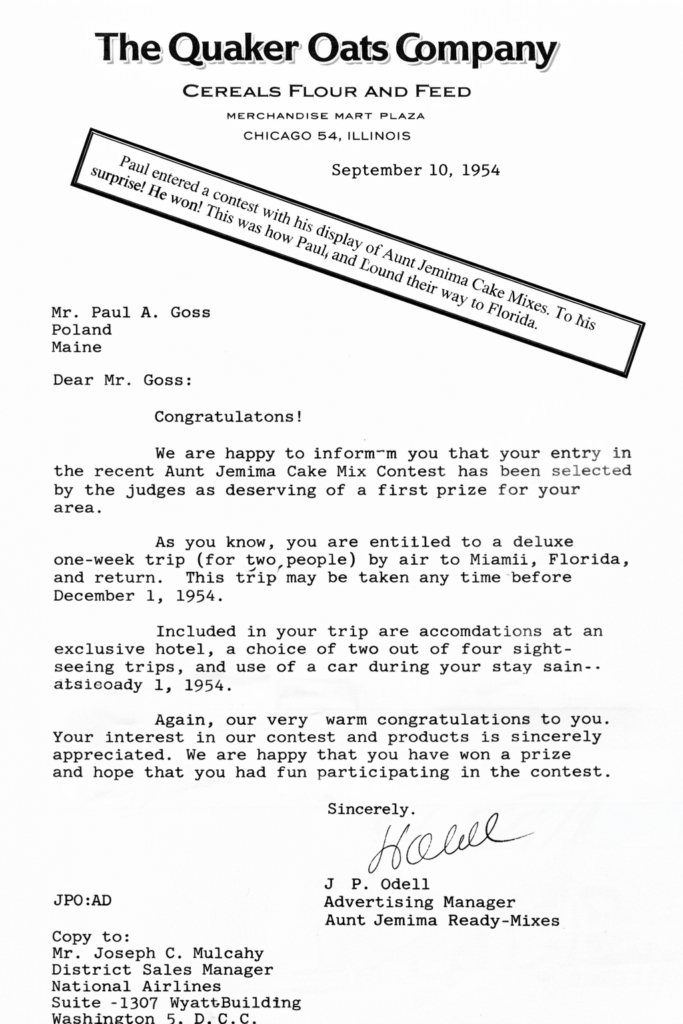
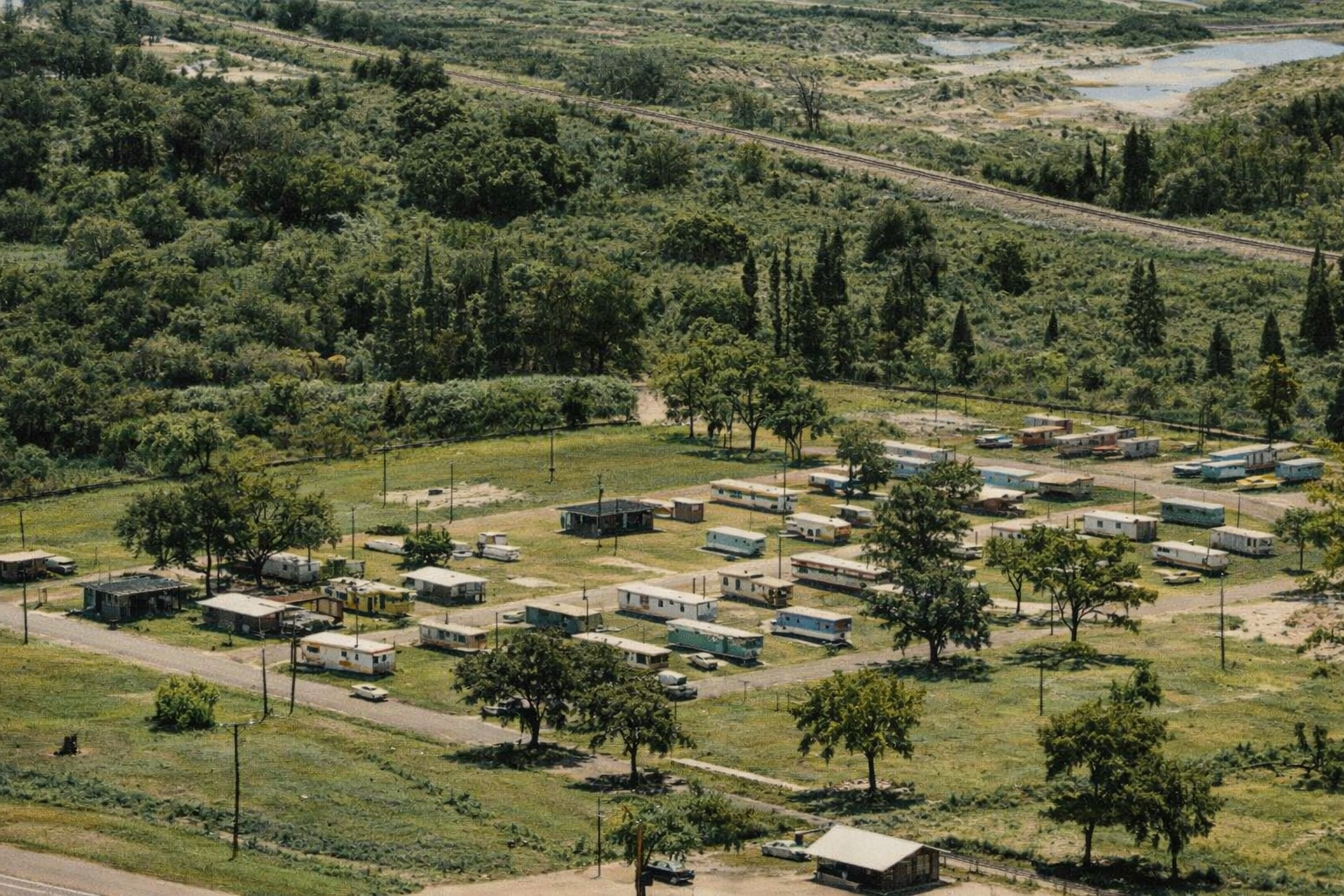
Shortly following their visit to Florida, they sold their store and acquired a trailer park in Bartow, Florida. Their experience highlighted the contrasting climates of Maine, characterized by cold temperatures and snow, and Florida, which is marked by water and wind.
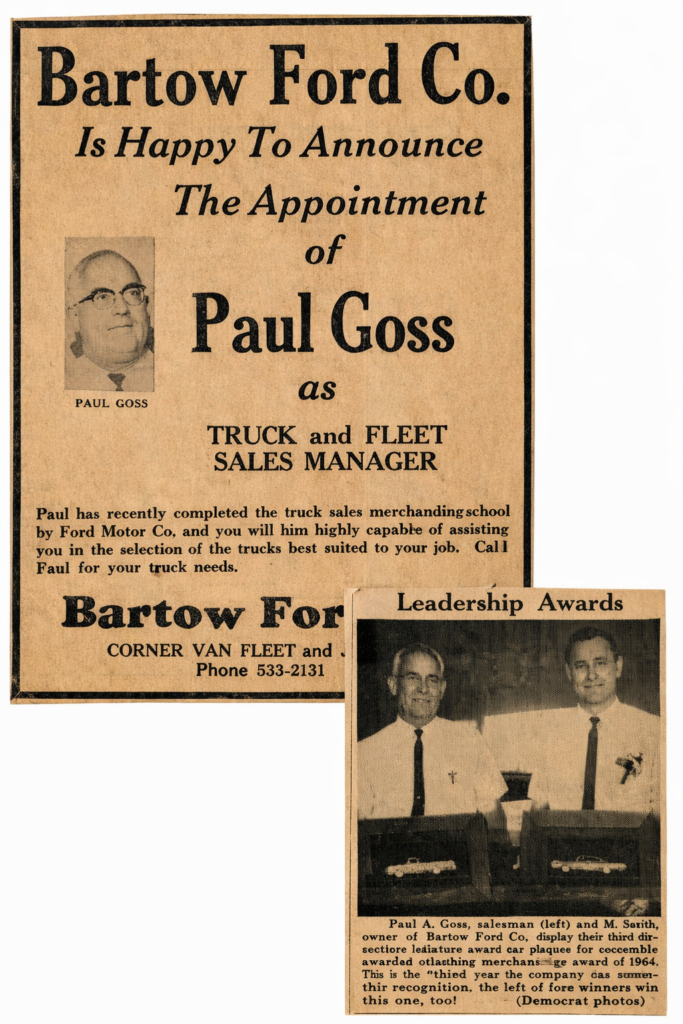
Several years later, my grandfather visited Bartow Ford inquiring about employment opportunities. Although there were no sales positions available at the time, he dedicated a few hours each day to assisting with car sales. His valuable contributions led the dealership to ultimately offer him a position as a salesman.
In 1971, they sold their trailer park and relocated to Fort Myers, FL, where my grandfather began a career in real estate. He found considerable success at Paul A. Goss Realty. I have fond memories of riding along with him as he collected and placed “for sale” signs. By 1979, he decided to retire and sold his real estate business to Barbara L Ware. Remarkably, she continues to run the same company today, even keeping the original business phone number.

On April 30, 2006, my grandfather passed away. He was a significant influence in my life, and I sought to emulate his strong work ethic. His philosophy was to persist, advance, and support others. Throughout my experience, I have not encountered anyone else with such a perspective. His career included welding in shipbuilding, owning a farm and an IGA store, operating a trailer park, working as a salesman at a Ford dealership (he subsequently purchased exclusively from Bartow Ford), and ultimately retiring after a period in real estate sales. My grandmother, Louise Goss, passed away on October 18, 2009.
Since living on my own since I was 18 years old, I worked as a swing manager at a McDonalds after exiting the Air Force, then as a computer technician making $100 a week under the table, and then at 4 other computer companies, before moving to Bainbridge, GA in 1994. I could not find a job after moving. I remembered my grandfather getting his job at the Bartow Ford and I went place to place every day to find work to support myself and family and finally found employment working as a take-up operator of extruded yarn for carpet at Amoco Fabrics. About six months of working from midnight to 8am 7 days straight, I found a job as a Network Engineer at Cooperatives Computer Center in Tallahassee, FL.
In 2007, following a divorce and facing financial challenges, I maintained full-time employment at Cooperatives Computer Center and also worked weekends with ECR in Thomasville. During this period, a colleague and friend, Anthony Mallari, offered valuable support. Noticing his lanyard inscribed with “2b1, Ask1,” I inquired about its significance and learned that he was a Mason. This led to a conversation about my own familial connection to Masonry through my grandfather. Subsequently, Anthony invited me to attend Jackson Lodge No. 1 on a Monday evening, where I had the opportunity to share a meal and meet members including Dave Tranchand, Jessie Taintor, George Schumacher, and then-Secretary Doug Knowles. The environment was very welcoming, and my petition was signed by Anthony as well as the Worshipful Master at the time, Stan Lawrence.
I was initiated as an Entered Apprentice on April 18th, 2011, and passed to the degree of Fellowcraft on August 1st, 2011. Shortly thereafter, on August 15th, I was laid off from my position at Cooperatives Computer Center due to the closure of the Tallahassee office. Drawing inspiration from my grandfather’s stories, I chose to pursue self-employment and dedicated significant effort to establishing a successful career. On October 8th, 2011, I was raised to the sublime degree of Master Mason.
Subsequently, I joined the Scottish Rite to further expand my knowledge. Initially, attendance was limited due to the demands of self-employment and long working hours, which made participation in meetings challenging. A few years later, Doug Knowles invited me to join the York Rite, which I accepted. Since then, I have had the privilege to serve as Eminent Commander of the Commandery, High Priest of the Chapter, and Illustrious Master of the Council. Additionally, I served as District Deputy Grand Illustrious Master of the Council for District 9 and as District Instructor for the Commandery. In 2022, I had the honor of serving as Worshipful Master of Jackson Lodge No. 1 and found the experience to be highly rewarding.
Throughout my journey as a Mason and member of both the Scottish Rite and York Rite, these experiences have significantly influenced my life and the lives of my family members. Many of these changes were gradual and only became apparent in hindsight, given their nuanced nature at the time. My wife, Bonnie, has consistently supported my professional endeavors and Masonic commitments. Our marriage in 2013, held in the Lodge room at Jackson Lodge, remains an indelible memory for us. The historical significance and enduring legacy of the Lodge Room provided great inspiration to both myself and my wife during this important occasion.
Since becoming a Mason, I have gained deeper insight into my grandfather and developed a greater understanding of his character. This experience has motivated me to consistently pursue personal growth, uphold honesty and integrity, and assist others in all aspects of life, including my profession as well as my personal endeavors.
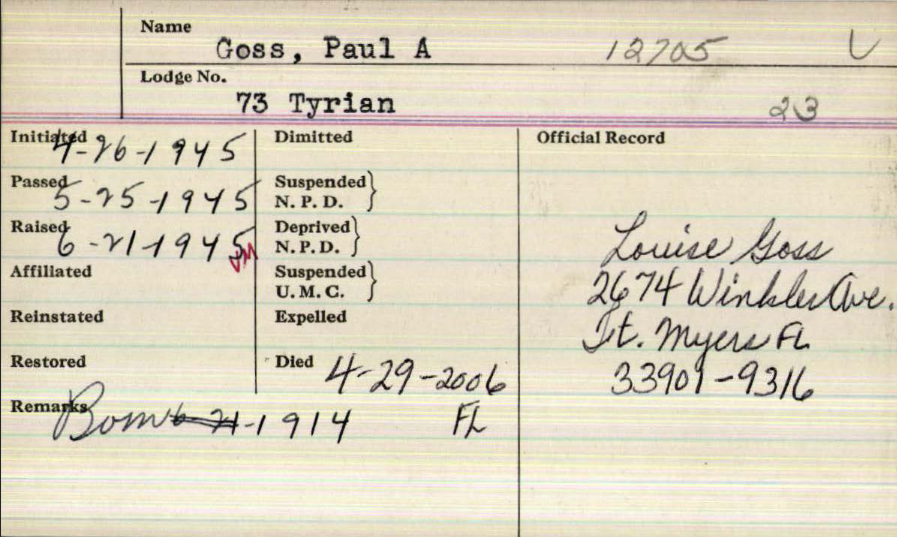
Several years ago, I undertook research regarding my grandfather’s history. I contacted the secretary of Tyrian Lodge No. 73 A. F. & A. M. in Mechanic Falls, Maine, where he was listed as a member. His Masonic journey included initiation on April 26, 1945, passed on May 25, 1945, and raised as a Master Mason on June 21, 1945. He remained a member of Tyrian Lodge No. 73 until his passing.
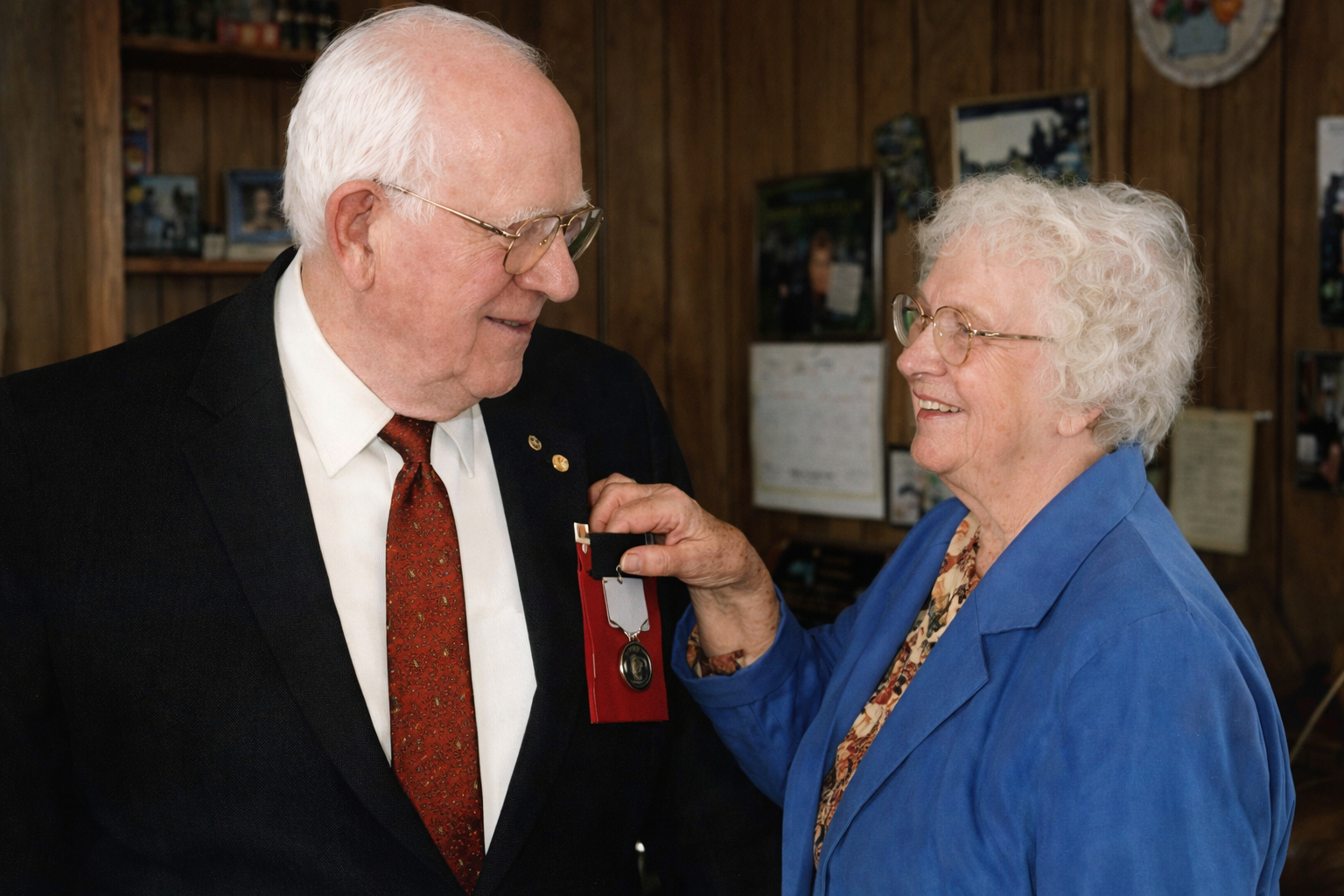
During his trip to Maine for the 60th Mechanic Falls High School Reunion, my grandfather received his 50-year Masonic Veterans Medal. Tyrian Lodge was honored to present the medal to him personally.
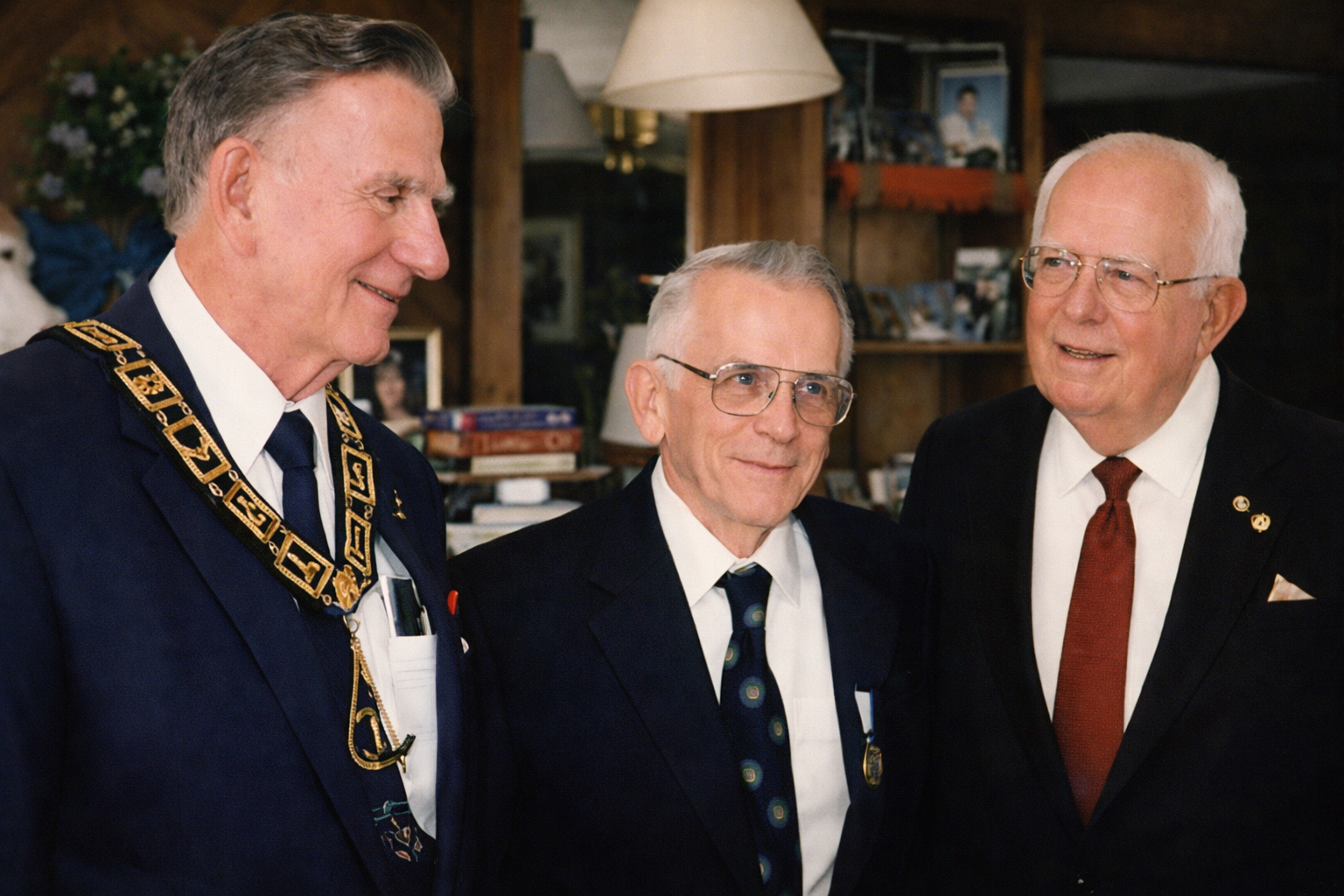
My grandmother pinned the 50-year medal, commemorating half a century of Masonic achievement, onto his suit.
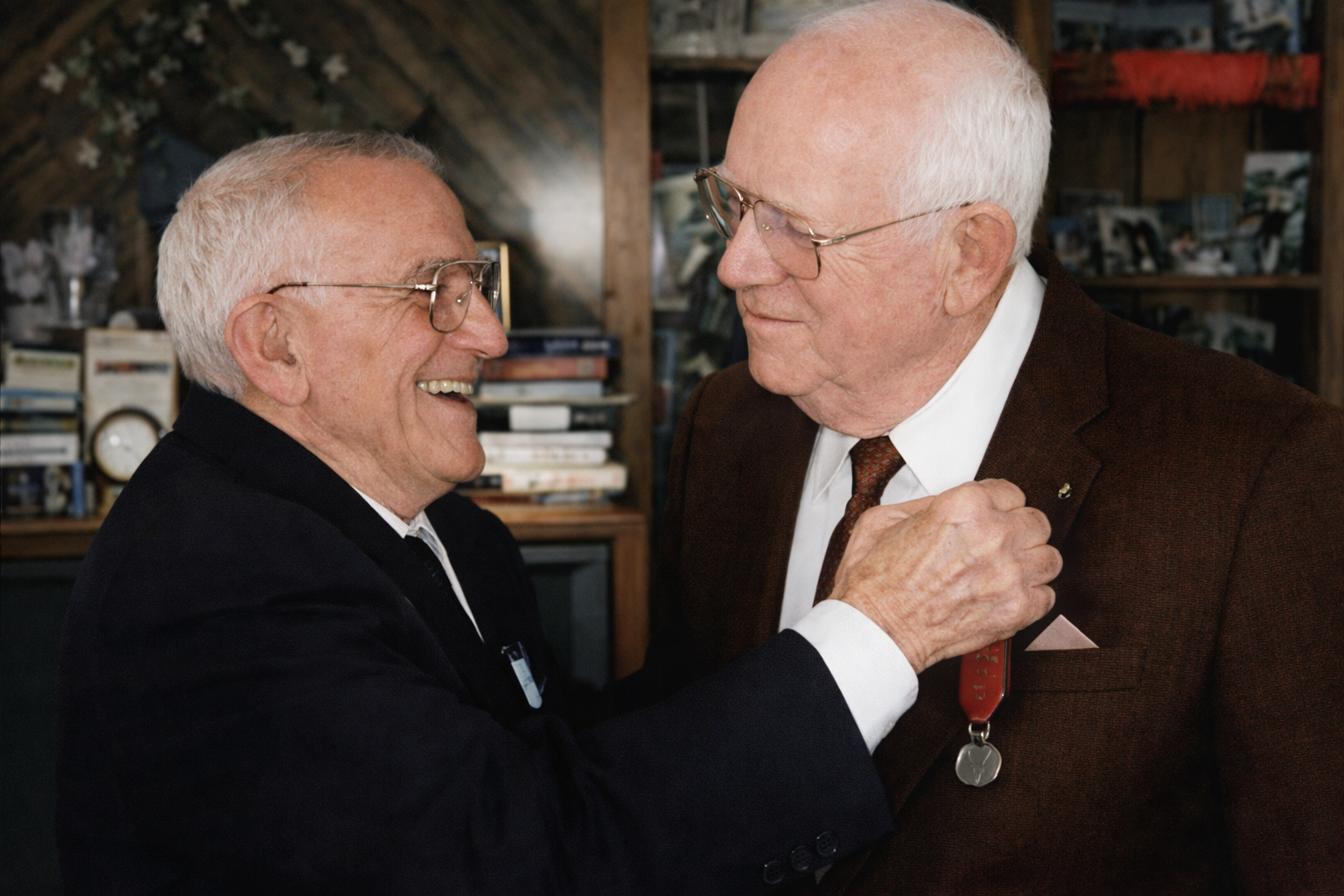
Harold Goss, my grandfather’s elder brother, affixed the 50-year pin onto his lapel. Today, I continue to wear that same pin on my own suit. The ceremony took place at Harold and Dorothy Goss’s home. Together, Harold and my grandfather have dedicated a total of 119 years to the Craft. I keep this pin on my lapel as a tribute to my grandfather.
Harold James Goss was Initiated on August 7, 1930, passed on September 4, and Raised to Master Mason on September 25, 1930.
Gerald Alton Wyman, my maternal grandfather, was initiated at Tyrian Lodge No. 73 on April 19th, 1951. He passed to the next degree on May 17th, 1952, and was raised to the sublime degree of Master Mason on June 7th, 1951. Today, I wear my Grandfather Wyman’s Masonic ring in recognition of his legacy.
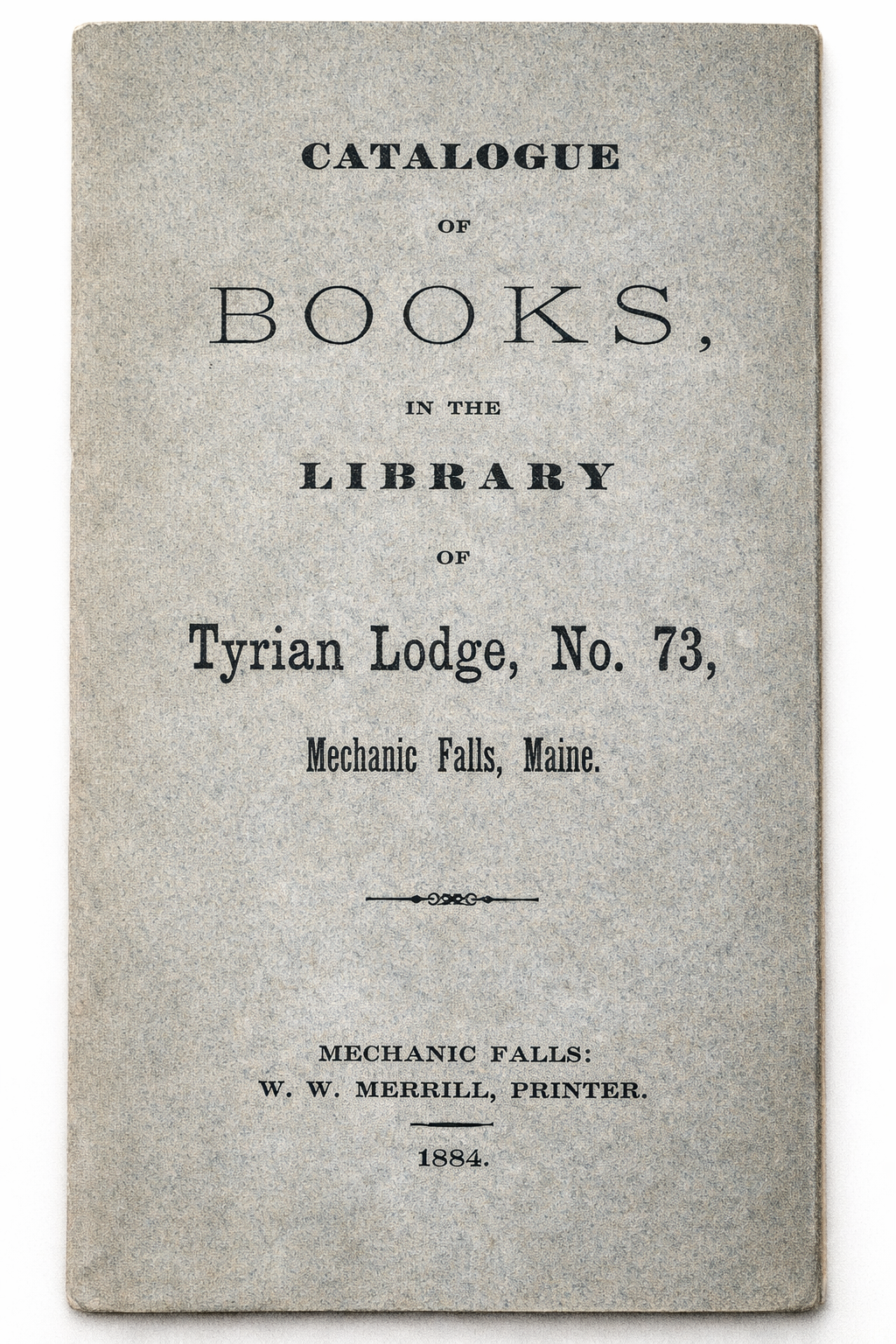
While I am aware that not all of my uncles were Masons, my research revealed that there have been hundreds of individuals with the surname Goss who were Masons in Maine since the 1800s, as well as members of the Whitney family on my grandmother’s side. This knowledge further motivates me to continue my family’s tradition of service to the Craft.
Much of this information came from my aunt Eve, who dedicated years to building our family tree and cross-referencing names with the Genealogy section on the Grand Lodge of Maine’s website. In Maine, every man who petitioned to join Freemasonry had a three-by-five membership card made. Nearly 200,000 cards document deceased members who joined from 1820 to 1995, and there are also records for some who became members before 1820—before Maine achieved statehood and established its own Grand Lodge. After several days of reviewing these cards, I was genuinely humbled to discover that I am related to nearly several hundred of these individuals, spanning my great-grandfather’s, great-grandmother’s, grandmother’s, and mother’s families. These relatives belonged to more than 15 Lodges across Maine, with roots going back to before the state existed in the early 1700s.
Three years ago, my aunt Eve entrusted me with my grandfather’s 25-, 40-, and 50-year pins, his masonic cuff links—which I particularly appreciate despite their aged appearance—and his tie clips. These items are valued family heirlooms that I intend to preserve and eventually pass down to my own grandchildren (two grandsons and two granddaughters from my youngest daughter, Allie). Their sentimental significance far exceeds that of similar items I have acquired recently.
My primary motivation for pursuing membership in the Masons was to learn more about my grandfather. Additionally, I aspired to improve myself, believing that I possessed the qualities of a good person and seeking personal growth. The enduring friendships I have developed with fellow Brothers and the knowledge I have acquired through the Craft are the reasons I continue my involvement as a Mason, and I am committed to encouraging others to embark on a similar journey.
I would like to offer a few recommendations for individuals considering membership or seeking further information:
- Consider joining, as it may provide opportunities for personal fulfillment that exceed expectations.
- Visit multiple Lodges prior to making your decision. Similar to selecting a place of worship, it is important to choose an environment where you feel comfortable and welcomed.
There is no single way to characterize the life of a Mason, as members come from diverse backgrounds, including professions such as corporate executives, construction workers, attorneys, and auto mechanics. Masons are united not by their occupations or origins, but by shared aspirations for self-improvement. Membership in Masonry can be reflected in various aspects of life: for example, a parent guiding their children towards sound choices, a business leader promoting ethical conduct in the workplace, or an individual addressing personal challenges with integrity. All members are regarded equally, regardless of socioeconomic status or Masonic rank. Ultimately, Masonry encourages individuals to strive to become the best version of themselves.