
Researched and Written By: Don Goss
By the mid‑1930s, Harry and Ruby Goss moved through each day with a quiet, steady purpose. They had said it often enough that the children could have recited it themselves: every one of them would finish high school. That was the family covenant. Harry and Ruby would work as hard as they had to, for as long as they had to, until the last diploma was in hand. And in 1936, when Ara’s graduation loomed on the horizon, the whole household felt the weight—and the pride—of that approaching milestone.
Graduation, in the Goss family, was more than a ceremony. It was a turning of the key in both directions. The parents gave everything—support, sacrifice, and the unspoken promise that they would carry their children to that threshold. And the children, in turn, were expected to meet them there with cooperation, effort, and a readiness to step into adulthood. After high school, each young Goss would buy his own clothes, his own car, pay for any further schooling, and make his own decisions. Love didn’t diminish, nor did generosity, but independence was the family’s rite of passage.
With Ara’s graduation approaching, Harry and Ruby began to speak of slowing down. Farming had changed; it demanded more each year, and the pace they had kept for decades was no longer sustainable. So they made the decision that marked the beginning of their retirement years: they would sell the farm.
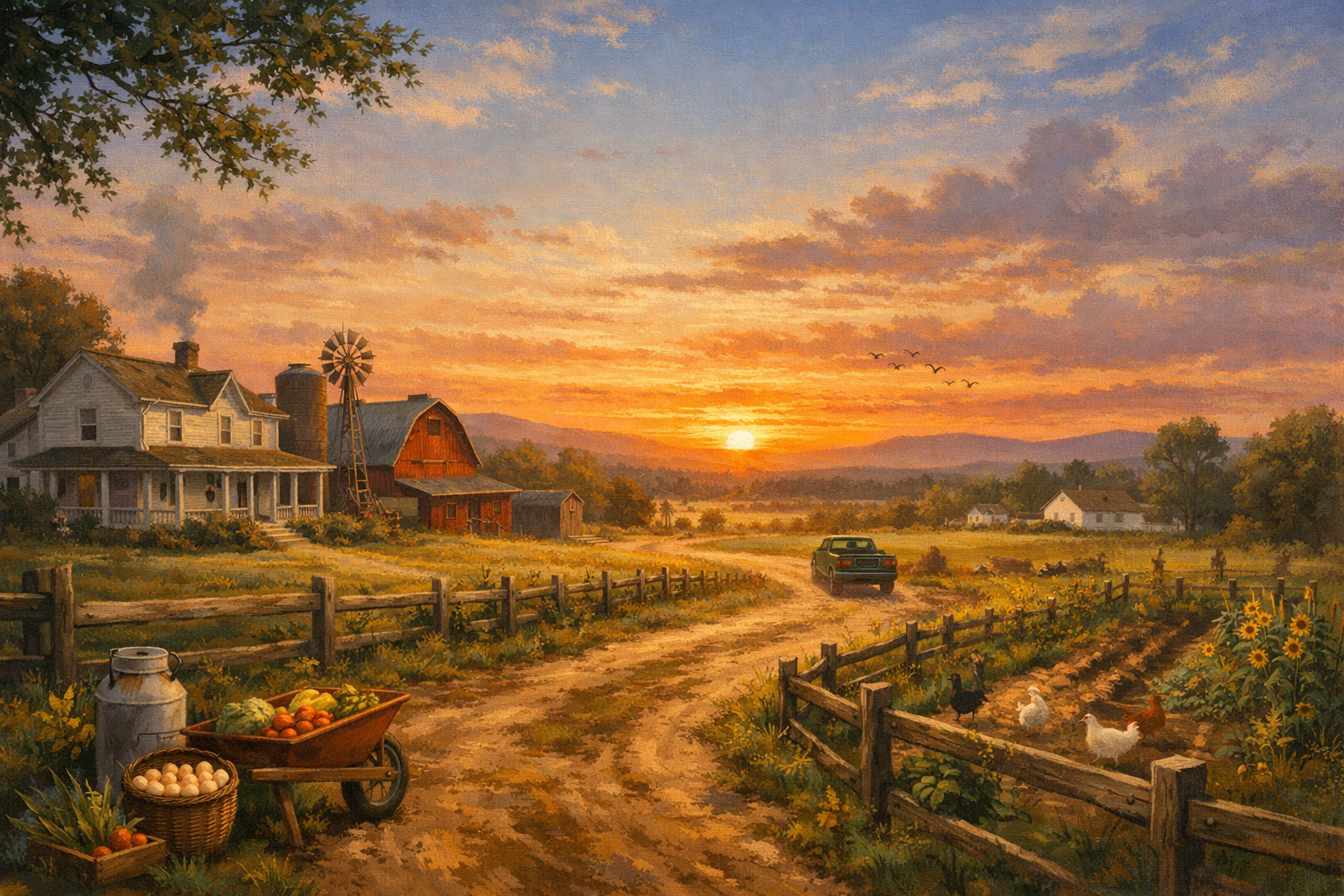
William stepped forward to buy it, and Harry and Ruby crossed the road to the old Stone place—a humble house, worn by time, but inexpensive and full of possibility. From there, they could keep a garden, sell eggs and butter, and continue the small market trade that had always supplemented their living. It wasn’t the comfortable retirement that later generations would know, but it was honest, sufficient, and familiar.
The Stone place had its shortcomings. The house was drafty, outdated, and tired. But when William eventually sold the old home to Julian and moved back in with his parents, he set to work modernizing it. A bathroom appeared where none had been before. A furnace replaced the old ways of heating. The other children contributed in their own ways—gifts, repairs, improvements—each one a gesture of gratitude and affection. Slowly, the house became warm, comfortable, and unmistakably theirs.
Those years may well have been the happiest of Harry and Ruby’s lives. Their days settled into a gentle rhythm: church work, Grange meetings, tending the garden, and the constant presence of children and grandchildren who lived on nearby farms. William’s companionship was a blessing; his help, indispensable. The house was never empty, never lonely, always alive with footsteps, laughter, and the easy familiarity of family.
Then came a quiet Sunday afternoon—November 10, 1946. Without warning or struggle, God called Harry Goss home. The stillness of that moment settled over the family like dusk falling across a field. Ruby mourned deeply, but she did not falter. She lived on for twenty more years, surrounded by the same love she had poured into her home and her children.
In her widowhood, Ruby found comfort in memory. She spoke often of her happy years with Harry, of the work they had done together, of the family they had raised. And through all those years, she felt the nearness of God—steady, familiar, and sustaining—until the day He called her into His presence, full of years and faithful in service.